
Build the pack from the assembled bottle outward
Ask for the bottle dimension with its actual dispenser and overcap attached. Place that assembly in the proposed carton with its insert. Check whether the top flap closes naturally and whether the pump can move when the carton is turned. Record the accepted orientation on the packing drawing. Retail cartons and shipping cases can have distinct trade-item identities, a distinction described in the GS1 GTIN Management Standard.
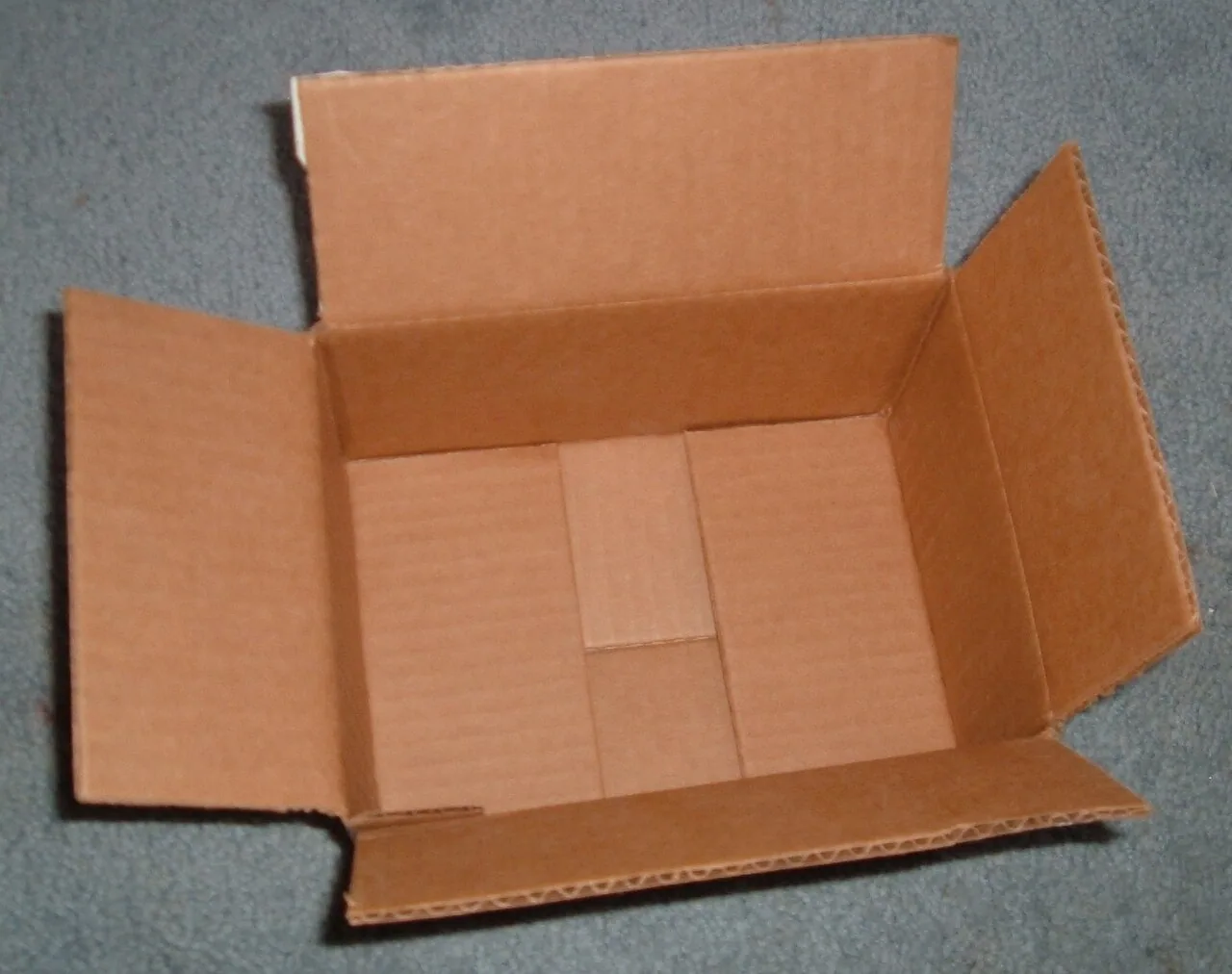

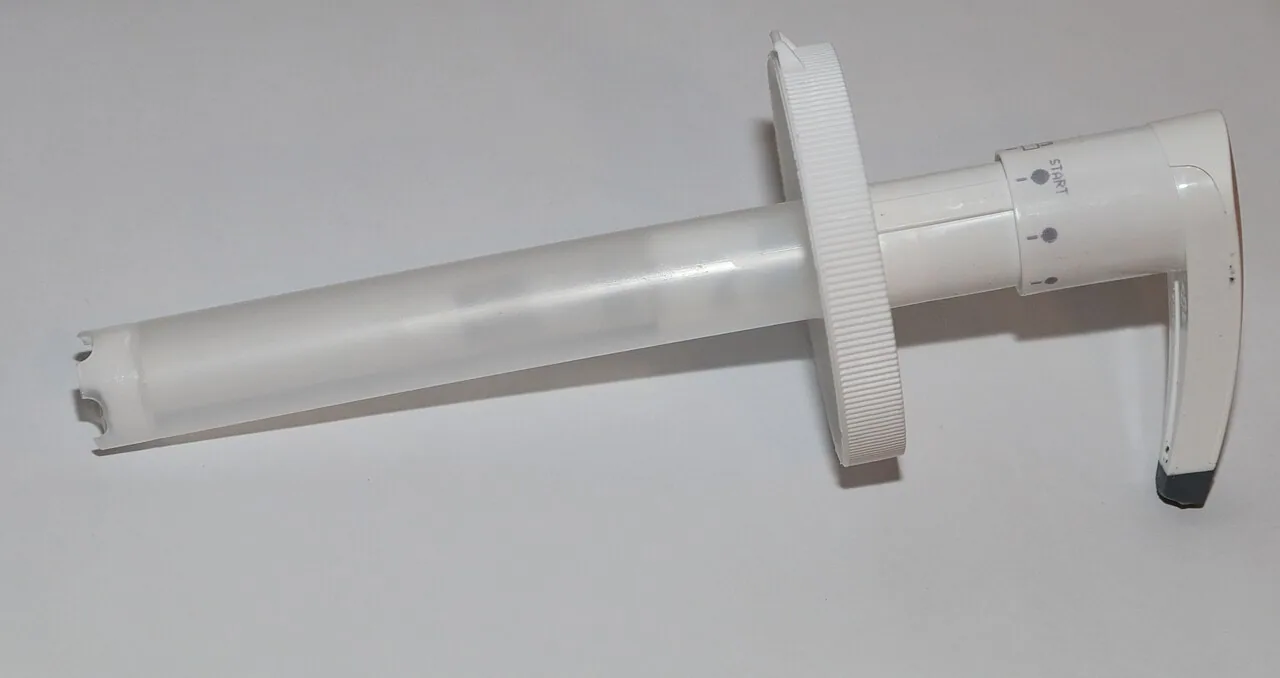
Image credits
MKFI · Image source · Public domain · Converted to WebP.
Translate a retail quantity into shipping cases
State how many filled bottles belong in one retail carton and how many cartons go in one case. If the first order leaves a part case, agree how that box will be labelled and where its quantity will appear on the dispatch paperwork. Identify which barcode belongs to the retail item and which belongs to the logistics unit. This keeps receiving staff from treating one transport package as one serum bottle.
Inspect a carton window with the real insert
For a windowed carton, check whether the label is visible when the bottle settles against the insert. If the bottle can rotate, the brand name may face away from the window even when the pack is undamaged. Compare a shaped insert with a closed carton before the next print run. Ask for one packed sample showing the agreed orientation and record any change in dimensions that might also alter how many cartons fit in a shipping case.
Worked example
For an illustrative order of 84 retail cartons, a 12-unit case gives seven full cases while a 24-unit case leaves one partial case. Ask the distributor which arrangement it accepts. Write the selected case count and partial-case policy into the logistics brief.
Prepare your inquiry
Approve the shelf presentation and the outer case quantity independently.