
Look beyond the silhouette
A dropper-shaped pack can contain an airless mechanism. Aptar markets its Serumony presentation as an airless dropper, illustrating why a catalogue photograph is an incomplete specification. Ask the supplier to name the operating mechanism and show the assembled unit with the cap removed. Add the bottle drawing and the proposed actuator to the review so the brand can match what the customer sees with how the sample actually dispenses.
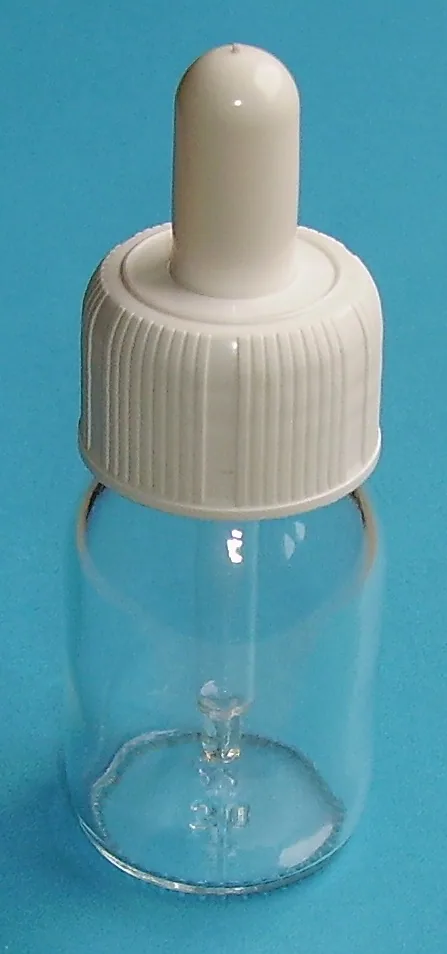

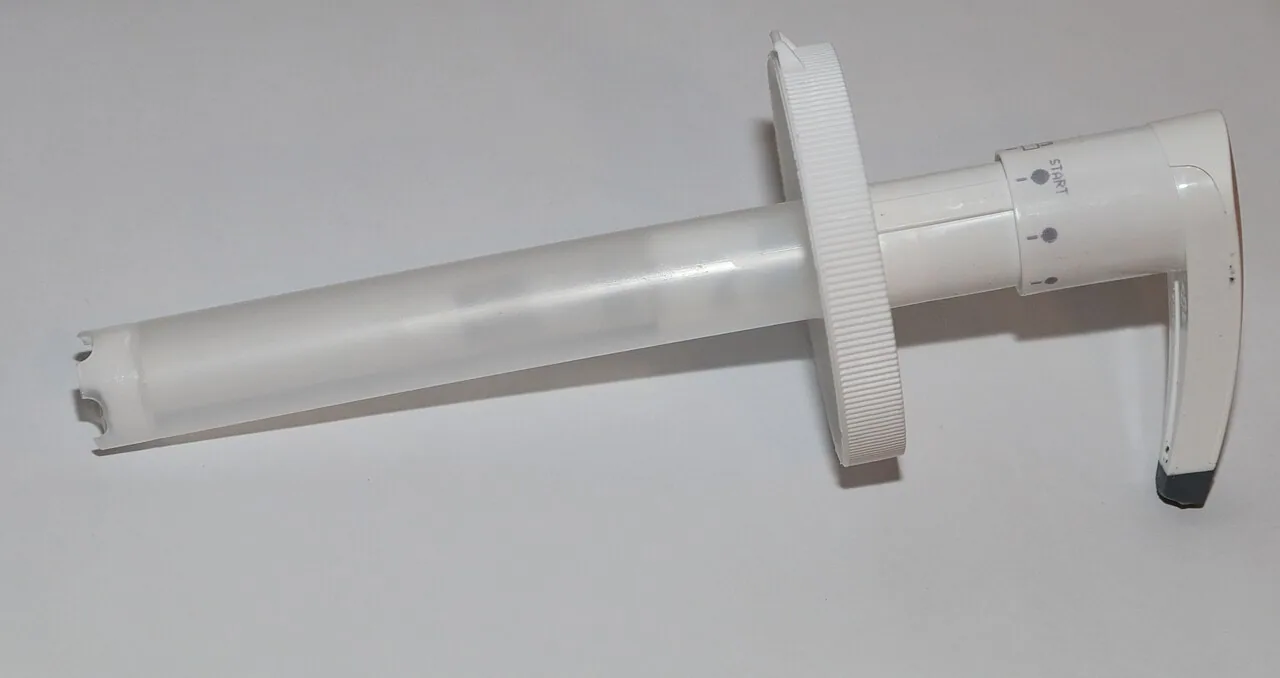
Image credits
MKFI · Image source · Public domain · Converted to WebP.
Use a common comparison brief
Give each packaging supplier the same formula reference, intended fill and presentation goal. Request a filled sample if available and record how the cap is removed, how the pack stands on a shelf and what happens during an ordinary dispensing demonstration. A sample filled with a substitute liquid can help with appearance. The proposed serum and the chosen components require their own compatibility review.
Compare the two shortlisted packs at the counter
Imagine a glass pipette version beside a one-handed pump in an in-store display. Ask retail staff to unpack each sample and put it back in its carton. They may find the pipette looks familiar while the taller pump catches the carton flap. Record the observation beside the actual component reference, then ask for the assembled height including the overcap. A packaging decision that solves the display problem should also leave space for the printed instructions and lot code.
Worked example
If the design brief calls for one-handed dispensing, compare removing the dust cap, holding the pack upright and replacing the cap on both candidate assemblies. Ask the buyer to approve the complete opening sequence. A product image showing only the actuator cannot settle that decision.
Prepare your inquiry
Request the mechanism, assembled drawing and formula-specific sample for each shortlisted pack.