Request the declared amount and the drawing
A catalogue name may describe a nominal bottle size while the artwork describes the amount sold to the customer. Ask for the proposed net contents, component identifier and technical drawing. For US-market artwork, the FDA labelling guide explains the declaration of quantity and its placement. Send the label reviewer the chosen market and units so the design team can reserve enough readable space on the principal display panel.


Check the complete filled assembly
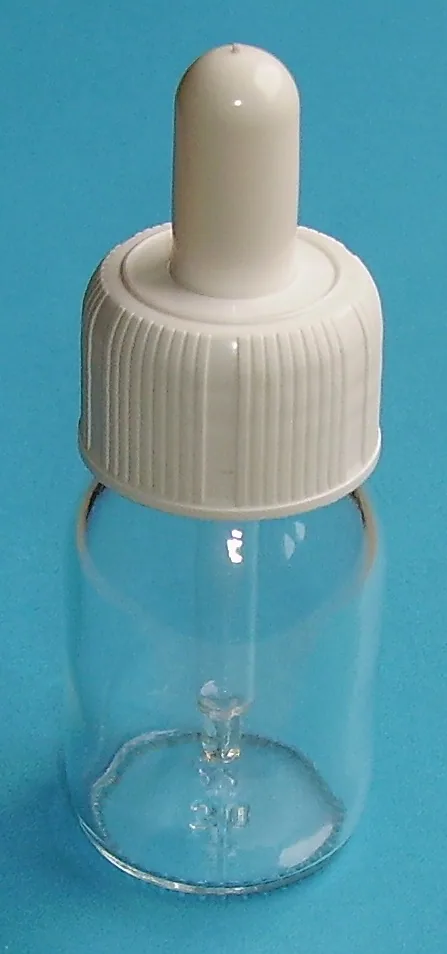
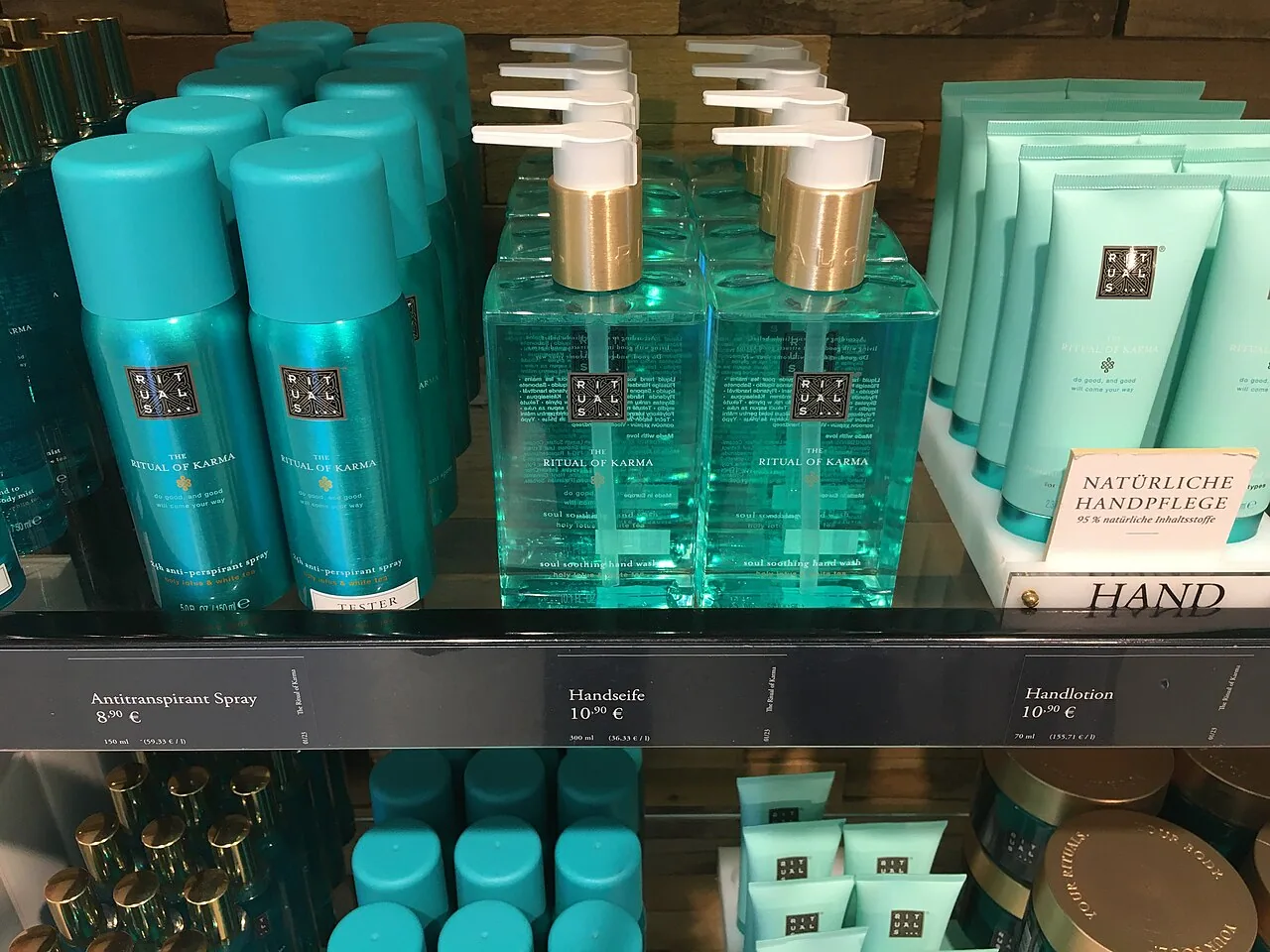
The visible fill line in a glass bottle changes with the shoulder geometry, displacement from the dispenser and angle of the photograph. Ask which component combination is represented by the photographed sample. For an opaque airless pack, agree how the supplier will document the filled quantity without relying on a visible line. Keep that question separate from whether the customer likes the colour or silhouette.
Resolve a bottle swap before releasing the carton
A brand switches to a wider bottle with the same proposed contents. Request a filled assembly with the chosen pump and a printout of the existing label. Record the actual visible fill level and whether the label wraps cleanly around the new radius. If a carton window once showed the product line, check it again against the new shape. The retailer can then approve the label declaration and the window position as two distinct decisions.
Worked example
Suppose the purchasing system requests millilitres while an offered bulk quantity is given in kilograms. Ask the supplier to identify the agreed conversion basis for that exact formula and any filling allowance. Keep the bottle count provisional until the comparison uses the same units.
Prepare your inquiry
Approve the declared contents, pack drawing and assembled sample together.