
Identify where the retail shopper sees the label
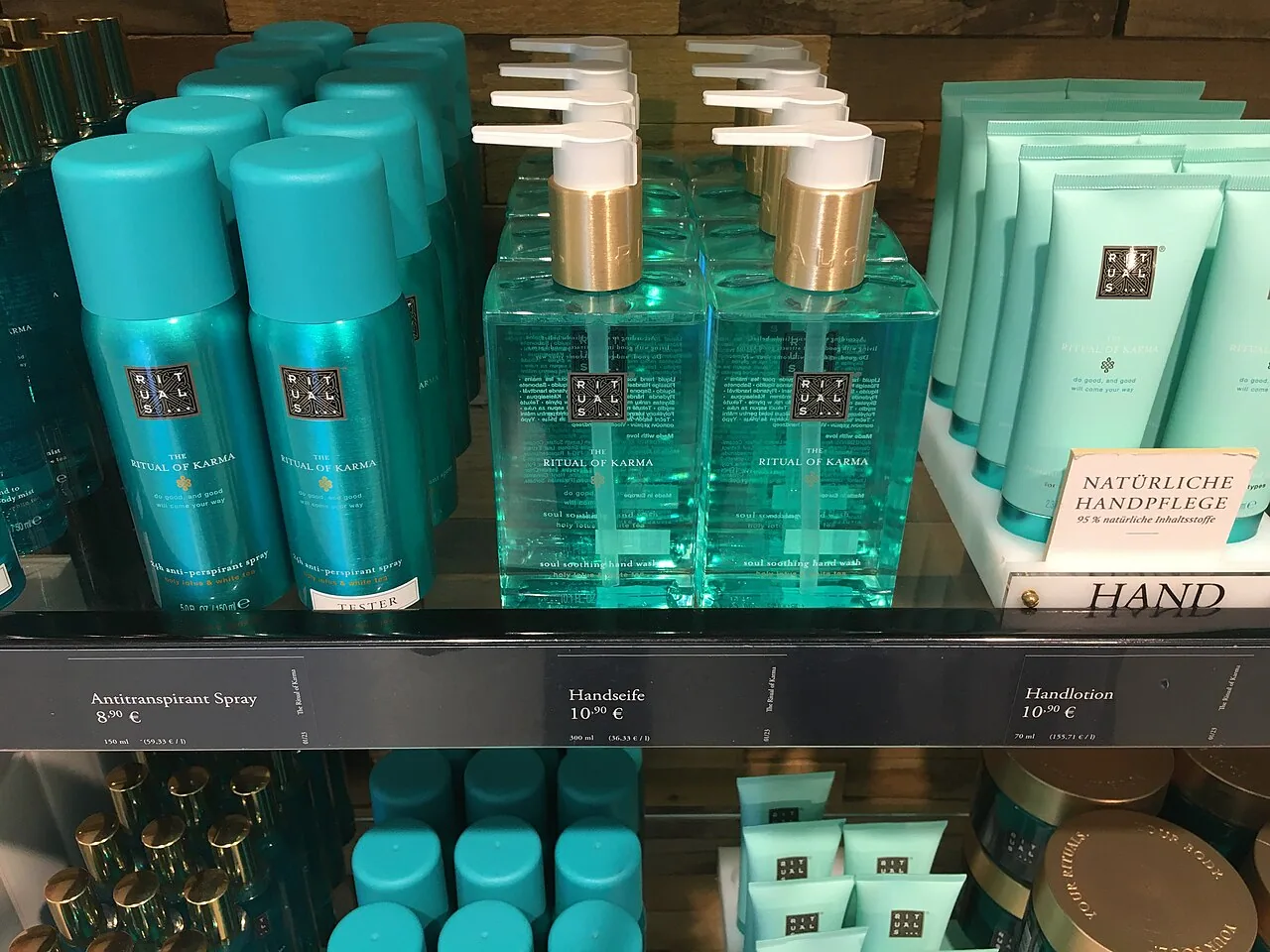
A cylindrical bottle presents only part of its label at once. The FDA cosmetics guide distinguishes the principal display panel from other information panels for US products. Ask the designer to place the actual bottle and carton artwork side by side at full scale. Mark the view a shopper sees on the shelf and identify the panel carrying each item that the market reviewer needs to assess.


Keep printed and variable text separate
A product name and a fixed ingredient list may be part of the artwork file, while a lot identifier is applied later. Ask which surface accepts the variable print and who checks that it remains readable after packing. Keep the editable source, a dated approval PDF and a photo of the physical proof together. Explicitly mark which market and language the approved revision covers.
Catch the seam before it reaches print
Wrap a plain-paper copy onto the proposed bottle. Turn it through a full rotation while another reviewer follows the ingredients and contact information on the proof. If the last line falls across an overlap, mark the seam on the drawing and request an adjusted layout. Repeat the check with the overcap fitted. This catches a practical issue that a clean flat artwork file can hide, particularly on travel sizes and bottles with a deep shoulder.
Worked example
A bilingual carton may use both languages on every panel while the small bottle has room for only one proposed arrangement. Give the market reviewer both proofs at actual size. Release the paired artwork only after the reviewer identifies exactly which approved text belongs on each component.
Prepare your inquiry
Keep bottle, carton, variable code and market-specific approval in the same proof set.