
State what the presented sample contains
A coloured empty pack is useful for checking decoration. A filled pack lets the buyer assess a different set of questions. Ask the supplier to identify the formula, component references and decoration method shown by each sample, as well as any substitute parts. For a dispenser presented as airless, the mechanism identity matters even when the appearance is close to the design brief. Use the proposed supplier’s component record for sign-off.
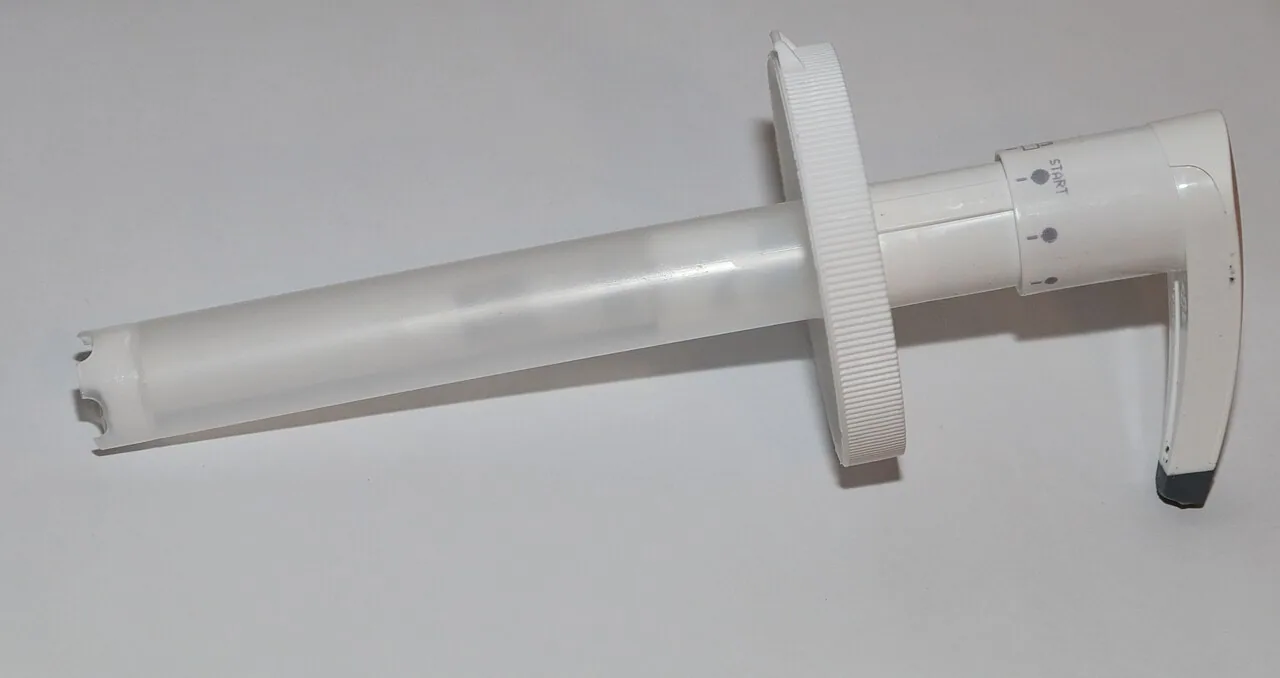
Image credits
MKFI · Image source · Public domain · Converted to WebP.

Assign one reviewer to each open decision
A purchasing manager can confirm that the sample matches the quotation while the design lead checks logo placement and the technical reviewer checks the evidence for the filled unit. Record the decisions separately and identify the sample used. If a buyer approves the carton colour during a video call, note that specific approval. The remaining reviews for the pump and serum can then proceed against traceable physical samples.
Keep an example of an unresolved detail
Imagine the brand accepts the bottle colour but notices that removing the overcap also loosens the pump collar. Photograph the collar position before and after the normal opening action and send the image under the sample identifier. Request a corrected example with the same label revision. This makes the next review a focused decision and avoids asking the factory to reproduce a colour proof the brand already accepted. Keep the corrected sample beside the earlier unit for a direct comparison.
Worked example
If the pilot uses a clear stock bottle and production will use frosted glass, the buyer can still review the dispensing sequence. Record that approval against the stock pack and leave the appearance decision open until the proposed glass finish and final decoration can be viewed together.
Prepare your inquiry
Make every approval describe the object, the reviewer and the issue being decided.